


Step by step
- The school registers for NRSM and nominates a coordinator.
- Students are added individually or in bulk through the school dashboard, or register on their own through the NRSM app or the student portal. Each account is activated once a parent has given consent by OTP.
- Students learn at their own pace through videos, stories, games, simulations and worksheets.
- Understanding is checked through quizzes and the baseline and endline assessments.
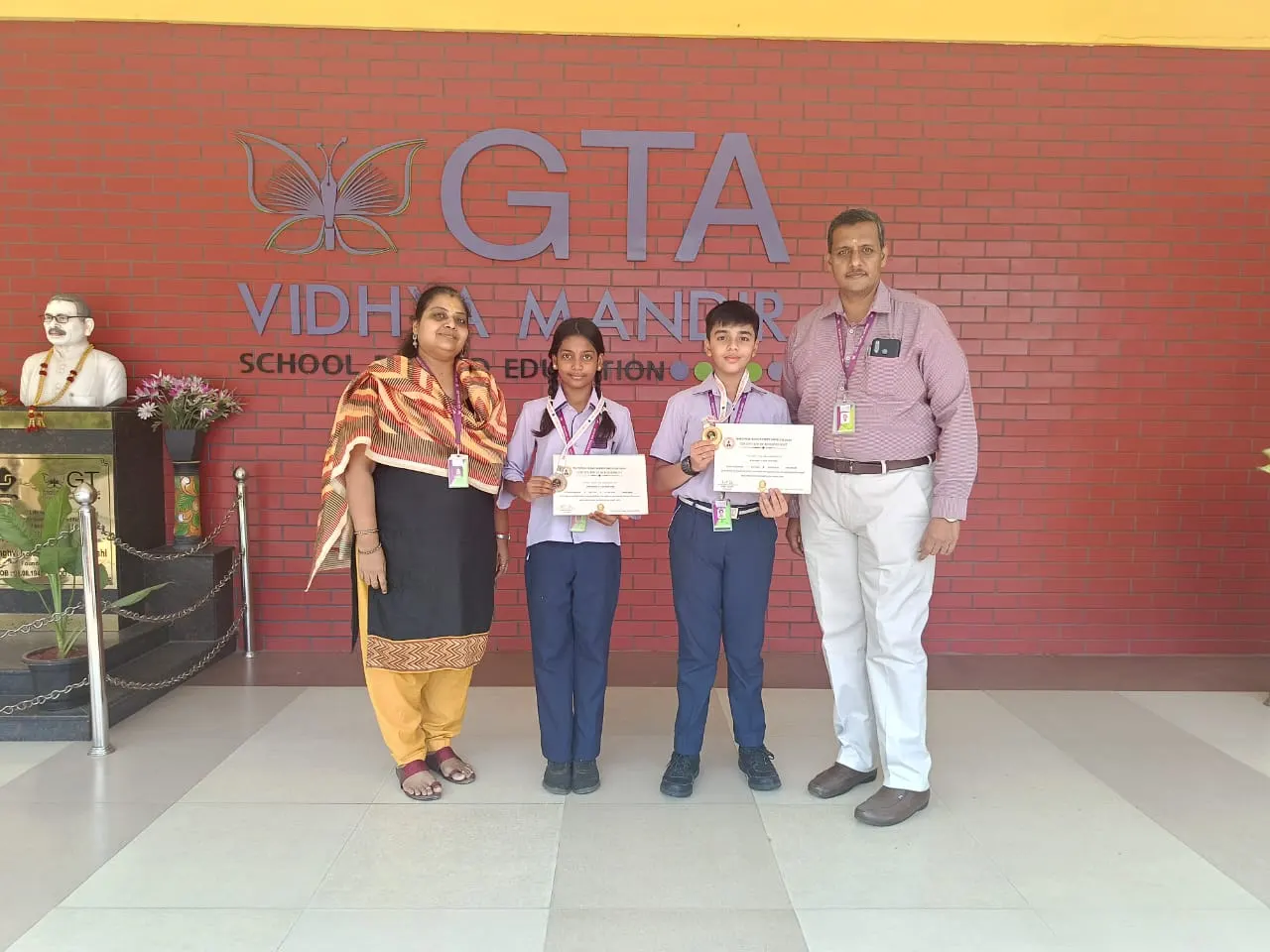
- Students receive a certificate on completing the course.
- Students may appear for the NRSM Olympiad, which is optional.
- At the end of the edition, outstanding schools, coordinators, principals and students are honoured at the National Road Safety Education and Excellence Awards.
How students learn
Each topic is introduced through short videos, stories and interactive activities. Students then practise on their own through simulations, assignments and tasks that require them to think and decide. Quizzes, tests and games show where a student needs more practice, and the Olympiad gives students a chance to show what they have learnt.
Safer school zones
Alongside the course, NRSM looks at the roads around schools. In the pilot phase, IRF India Chapter carried out road safety audits around schools in several States, and the pilot included low-cost measures near schools such as signage, road markings, delineators, road studs and traffic calming. NRSM also includes a rating framework for the safety of school surroundings.
Time required
In the 2025-26 edition, students spent an average of 3 hours 17 minutes on the platform, spread over 18 sessions.
Important dates
For NRSM 2026-27, registrations are open from 9 November 2026, and the programme ends on 31 January 2027, the day of the NRSM Olympiad. All other dates are given on the Calendar page.
See the calendar